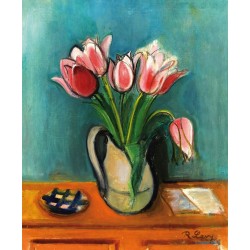
Rudolf Levy
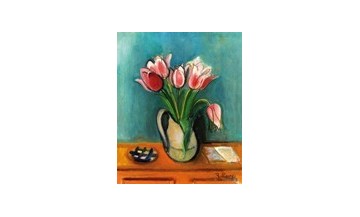
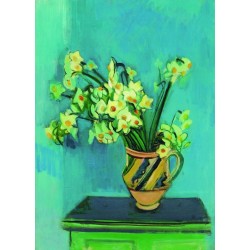
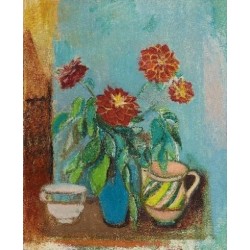
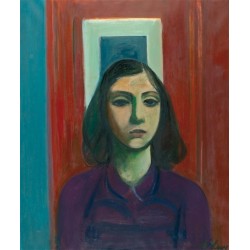
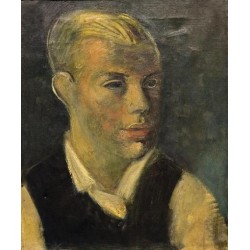
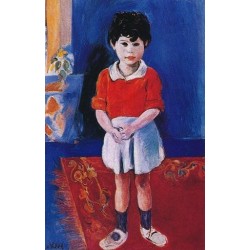
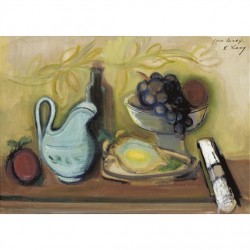
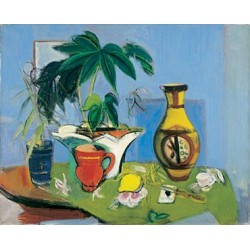
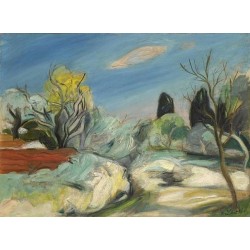
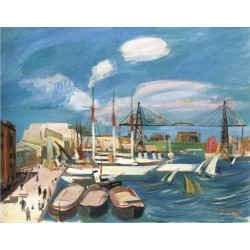
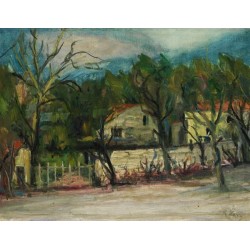
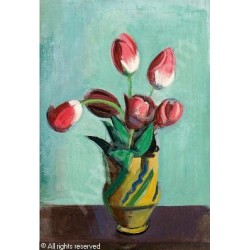
Rudolf Levy (1875–1943) was one of the most compelling and emotionally resonant painters of the early twentieth century, a master whose work bridges the intimacy of Post-Impressionism with a deeply personal vision shaped by his extraordinary life journey. Born in Stettin, Germany, Levy studied under Henri Matisse in Paris and immersed himself in the vibrant artistic circles of Europe, absorbing influences that would transform his palette and his perception of the human experience. His canvases radiate warmth and sensitivity, capturing still lifes, portraits, and Mediterranean landscapes with a luminous quality that feels both timeless and profoundly human.
Levy's legacy is inseparable from the broader story of jewish artwork produced during one of history's most turbulent periods. As a Jewish artist working in an era of rising persecution, his commitment to beauty and creative expression became an act of quiet defiance and enduring courage. His works, many of which survived the chaos of World War II, stand today as testament to the resilience of artistic vision against the forces of oppression. Collectors and art lovers who engage with his paintings are not simply acquiring aesthetic objects — they are connecting with a deeply layered cultural and historical narrative that continues to resonate across generations.
Exploring the relationship between jews and art reveals how profoundly figures like Rudolf Levy contributed to the shaping of modern European painting, often from the margins of societies that sought to exclude them. Levy's body of work invites viewers into a world of color, light, and quiet contemplation, offering a window into a sensibility that was both universally human and distinctly personal. This collection celebrates his remarkable contribution to art history, presenting an opportunity to own a piece of a legacy that is as intellectually rich as it is visually captivating.