Maurycy Gottlieb
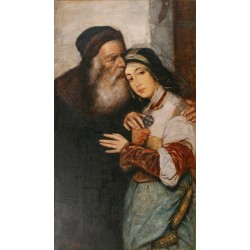
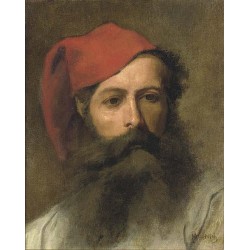
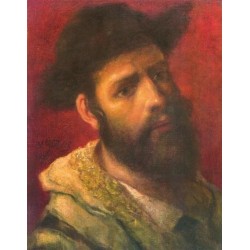
Maurycy Gottlieb (1856–1879) stands as one of the most luminous and poignant figures in the history of Jewish artwork, a prodigy whose brief life produced masterpieces that continue to captivate collectors, scholars, and art lovers worldwide. Born in Drohobych, then part of the Austrian Empire, Gottlieb channeled his extraordinary talent into paintings that explored identity, faith, and the complex relationship between Jewish tradition and the broader European cultural landscape. His works radiate an emotional depth that transcends time, inviting viewers into a world where history, spirituality, and human experience converge with breathtaking intensity.
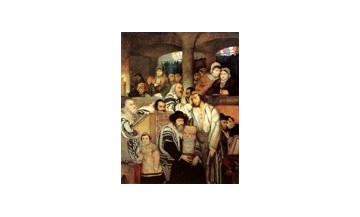
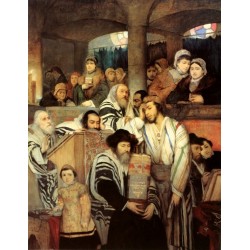
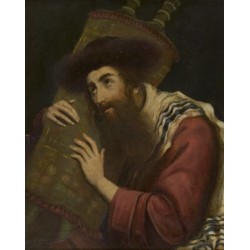
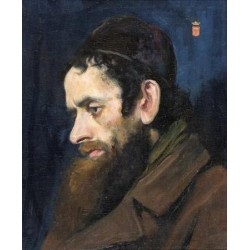
Among his most celebrated compositions are monumental scenes of Jewish religious life, most notably the iconic Jews Praying in the Synagogue on Yom Kippur (1878), a painting that has become a cornerstone of cultural heritage and a testament to the enduring power of devotion and community. Gottlieb's mastery of light, his sensitivity to expression, and his ability to render the sacred within the everyday make each canvas a deeply moving encounter. His portraits, historical scenes, and introspective self-portraits reveal an artist perpetually negotiating his dual identity — as a Pole, a Jew, and a European — with remarkable grace and intellectual courage.
The broader discourse surrounding jews and art finds in Gottlieb one of its most compelling voices, a painter who dared to assert a proud and complex Jewish identity at a time when such affirmation carried profound social and political weight. Tragically taken by illness at just twenty-three years of age, Gottlieb left behind a legacy that continues to inspire generations of artists and historians. This collection invites you to explore the full richness of his vision — a vision defined by beauty, resilience, and an unwavering commitment to capturing the soul of a people through the transformative power of paint.