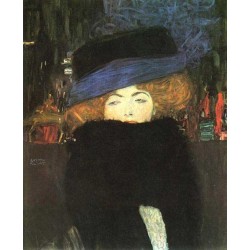
Gustav Klimt
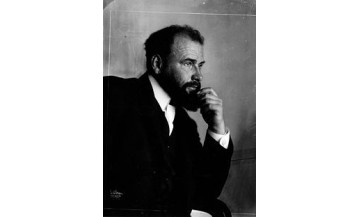
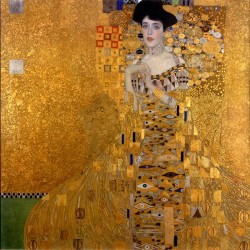
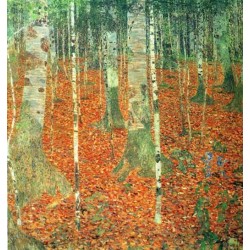
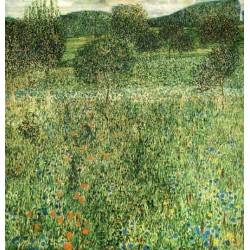
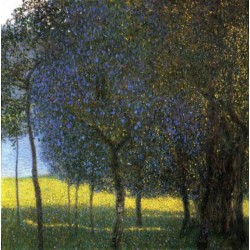
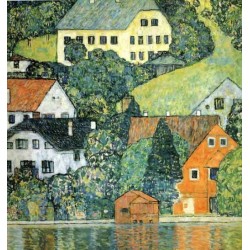
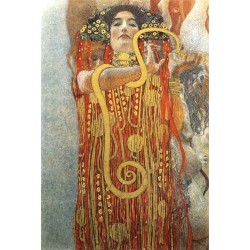
Gustav Klimt was an Austrian Symbolist painter born in 1862, widely regarded as one of the most prominent figures of the Vienna Secession movement. His work stands at the crossroads of Art Nouveau and Symbolism, characterized by its extraordinary use of gold leaf, intricate ornamentation, and deeply sensual imagery. What truly sets Klimt apart from his contemporaries is his ability to blend fine art with decorative craftsmanship, creating compositions that feel simultaneously ancient and strikingly modern. His canvases pulse with an almost mythological energy, drawing on Byzantine mosaics, Egyptian art, and Japanese prints to forge a visual language entirely his own. Few artists in history have managed to make beauty feel so deliberately and powerfully constructed.
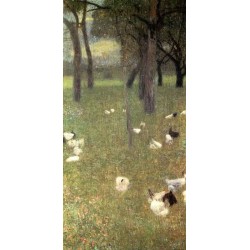
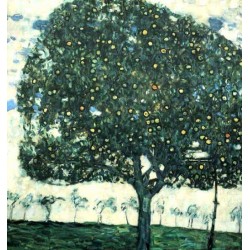
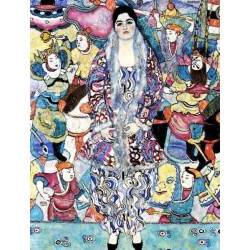
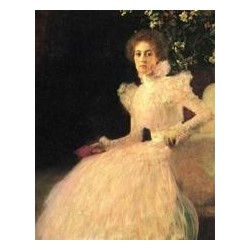
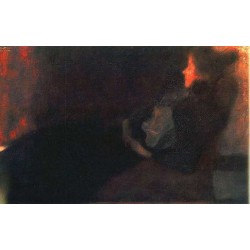
Among Gustav Klimt's most celebrated works are The Kiss, Portrait of Adele Bloch-Bauer I, and the allegorical ceiling panels created for the University of Vienna. These masterpieces cemented his reputation as a revolutionary force in European art at the turn of the twentieth century. His oil paintings on canvas reveal a meticulous layering of texture, symbolism, and human emotion that rewards close and repeated viewing. The golden phases of his career, roughly spanning from 1899 to 1910, produced some of the most recognizable and commercially valuable works in art history. His portraits of women, in particular, are celebrated for their psychological depth and the extraordinary richness of their decorative surroundings, blurring the boundary between subject and ornament in ways that continue to astonish viewers worldwide.
Collectors and art lovers are drawn to Gustav Klimt's work for its rare combination of intellectual depth and immediate visual impact. His oil paintings carry an unmistakable warmth and intimacy, making them deeply personal acquisitions that transform any space they inhabit. Owning a reproduction or print inspired by his style connects the collector to one of the most emotionally charged and visually opulent traditions in Western art history. There is a timeless quality to his compositions — a sense that they exist outside of any single era — which ensures their enduring relevance in both private collections and public institutions. For those who believe that art should move the soul as much as it pleases the eye, the world of Klimt offers an unparalleled invitation into beauty, desire, and the enduring power of human creativity.