Rembrandt
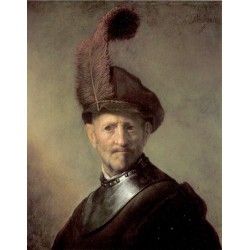
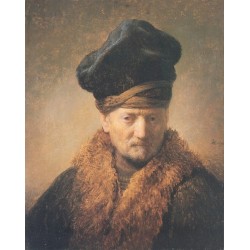
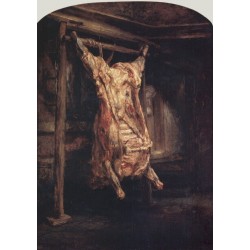
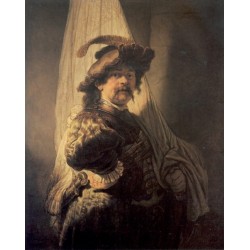
Rembrandt Harmenszoon van Rijn, universally known simply as Rembrandt, was a Dutch Golden Age master born in Leiden in 1606, widely regarded as one of the greatest painters and printmakers in European art history. Working primarily in the seventeenth century, he developed a revolutionary style defined by his extraordinary command of light and shadow — a technique known as chiaroscuro — which gave his figures an unparalleled sense of depth, emotion, and psychological complexity. Unlike many of his contemporaries who favored idealized beauty, Rembrandt embraced raw human truth, capturing vulnerability, age, and inner life with breathtaking honesty. His approach to portraiture and narrative scenes transformed the possibilities of visual storytelling and set a standard that continues to influence artists centuries after his death.
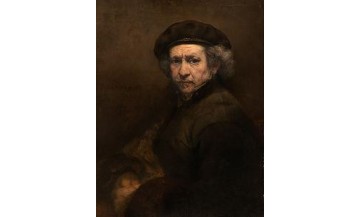
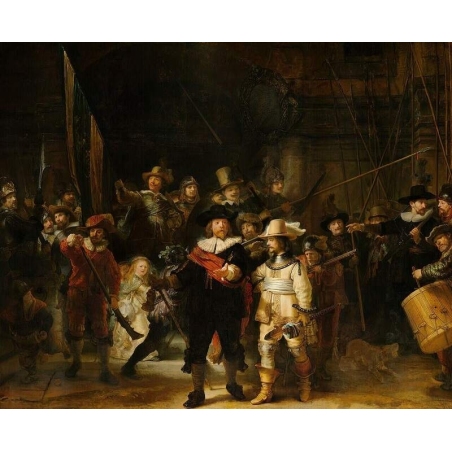
Among his most celebrated oil paintings are "The Night Watch" (1642), a monumental group portrait that redefined the genre, and "The Anatomy Lesson of Dr. Nicolaes Tulp" (1632), a masterpiece of dramatic composition and scientific curiosity. His deeply personal series of self-portraits — numbering nearly one hundred across his lifetime — stand as one of the most intimate and honest autobiographical records in the history of art. Rembrandt's oil paintings on canvas demonstrate a technical virtuosity that is immediately recognizable: richly layered textures, luminous golden tones, and figures that seem to breathe within the darkness surrounding them. His etchings and drawings further cement his legacy as an artist of extraordinary range and discipline.
Collectors and art lovers are drawn to Rembrandt's work because it speaks to something fundamentally and timelessly human — his subjects feel alive, dignified, and emotionally present in ways that transcend their historical moment. Owning a reproduction or authenticated work connected to his legacy is not merely an aesthetic acquisition but an invitation into a profound artistic dialogue that has endured for nearly four centuries. The warmth, intimacy, and spiritual depth embedded in every brushstroke make his art a transformative presence in any collection or living space, offering daily encounters with one of history's most gifted observers of the human condition.