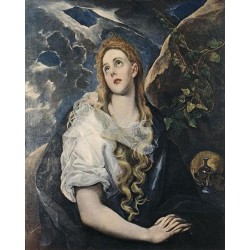
El Greco
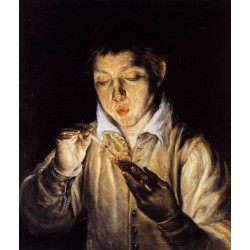
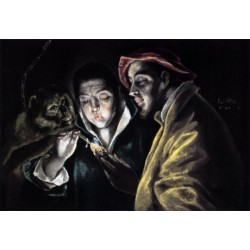
El Greco, born Domenikos Theotokopoulos in Crete around 1541, stands as one of the most singular and visionary figures in the history of Western art. After training in the Byzantine tradition and later studying under Titian in Venice, he ultimately settled in Toledo, Spain, where he developed the unmistakable style that would define his legacy. His work transcends easy categorization, blending the spiritual intensity of Byzantine iconography with the rich colorism of the Venetian Renaissance and the elongated, expressive forms of Mannerism. The result is a body of work that feels simultaneously ancient and startlingly modern, charged with a mystical energy that sets El Greco apart from every other artist of his era.
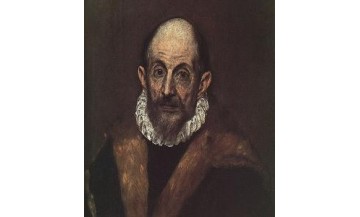
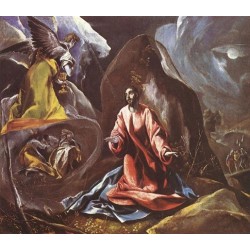
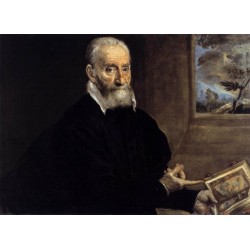
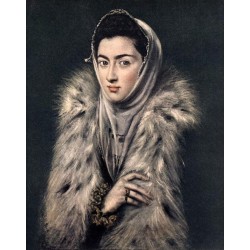
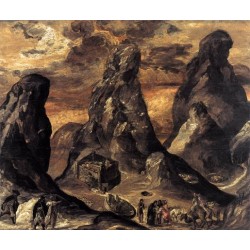
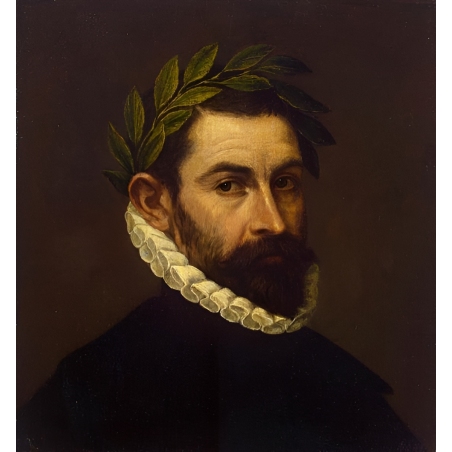
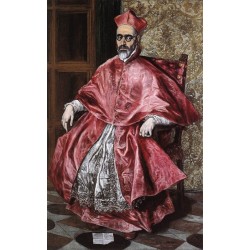
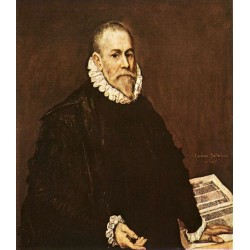
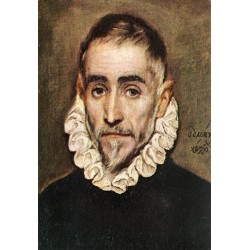
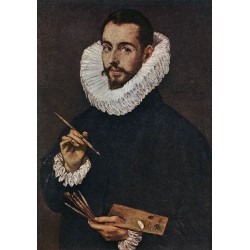
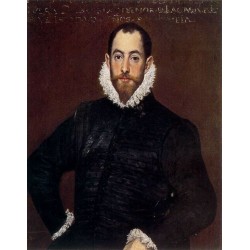
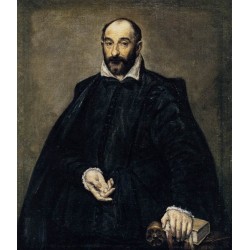
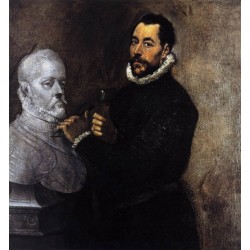
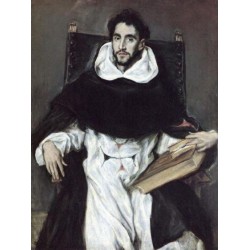
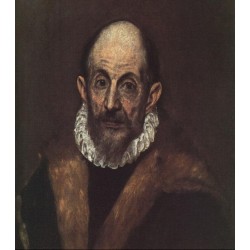
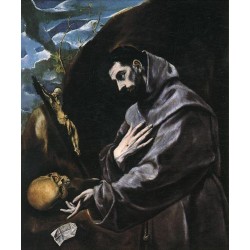
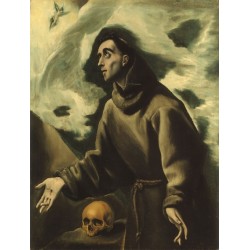
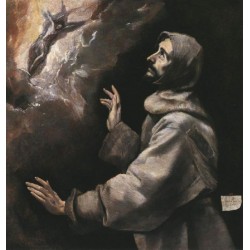
Among his most celebrated achievements are the monumental The Burial of the Count of Orgaz, a breathtaking fusion of the earthly and the divine that remains one of the treasures of Toledo's Iglesia de Santo Tomé, and his haunting series of views of Toledo, which anticipate the emotional landscapes of Expressionism by nearly three centuries. His altarpieces, portraits of Spanish noblemen, and deeply devotional religious compositions showcase his mastery of oil paintings on canvas, with luminous, almost phosphorescent colors and dramatically swirling compositions that seem to pulse with inner light. El Greco's portraits, in particular, reveal an extraordinary psychological depth, capturing the spiritual gravity of his subjects with an intimacy that few painters have ever matched.
Collectors and art lovers are drawn to El Greco's work because it offers something rare in the art world — a genuinely transcendent experience that resonates across centuries. His oil paintings carry an otherworldly intensity that transforms any space they inhabit, inviting contemplation and evoking a sense of the sacred that feels profoundly personal. Owning a work inspired by or attributed to this master means connecting with a visionary who was largely misunderstood in his own time, only to be rediscovered in the twentieth century as a towering precursor to modern art. For the discerning collector, the legacy of El Greco represents not merely aesthetic beauty, but a window into one of the most original and spiritually ambitious artistic minds the world has ever known.