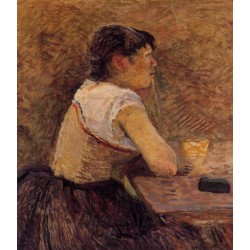
Lautrec
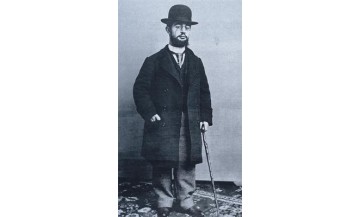
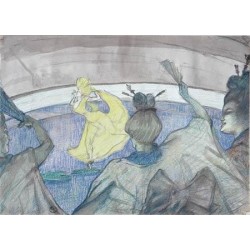
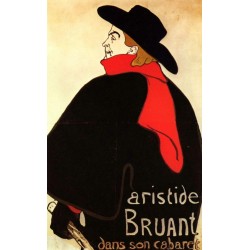
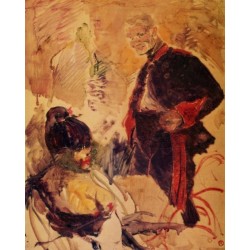
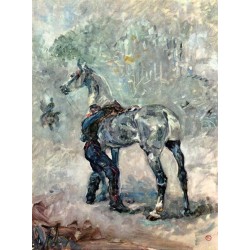
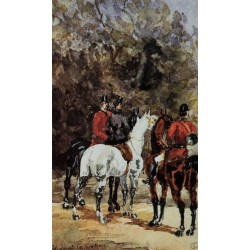
Henri de Toulouse-Lautrec was a French Post-Impressionist painter born in 1864 in Albi, France, whose singular vision forever changed the landscape of modern art. Working primarily during the vibrant and restless Belle Époque period in Paris, Lautrec developed a style that was boldly graphic, emotionally raw, and deeply humanistic. Unlike many of his contemporaries who sought beauty in landscapes or idealized figures, he turned his gaze toward the cabaret stages, brothels, and dance halls of Montmartre, capturing the lives of performers, outcasts, and ordinary people with extraordinary empathy and unflinching honesty. His use of sinuous line work, flattened perspective, and vivid color — heavily influenced by Japanese woodblock prints — gave his compositions an unmistakable energy that set him apart as one of the most distinctive voices in art history.
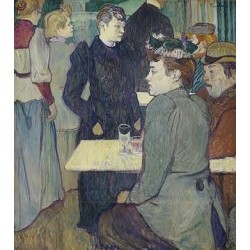
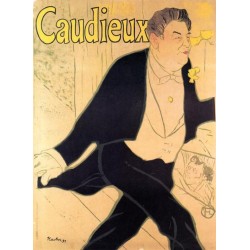
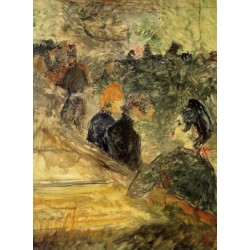
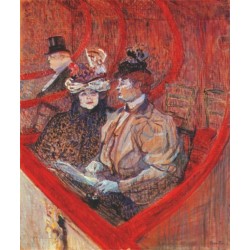
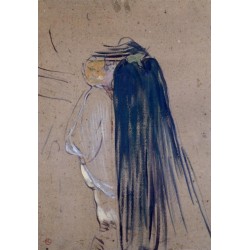
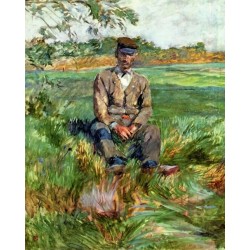
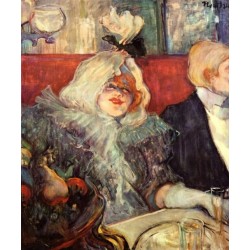
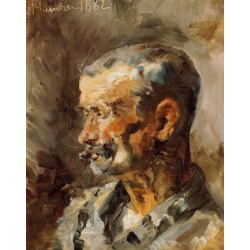
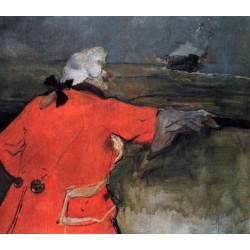
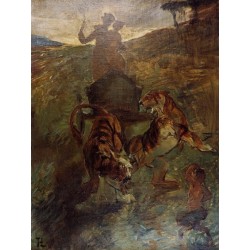
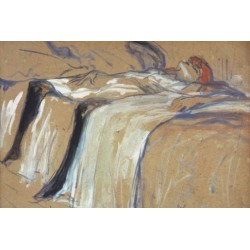
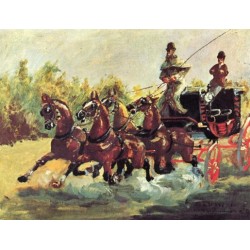
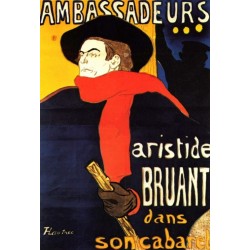
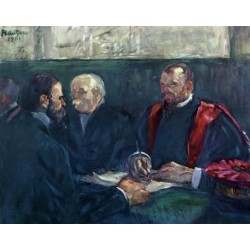
Among Henri de Toulouse-Lautrec's most celebrated achievements are his iconic poster designs for the Moulin Rouge, which transformed commercial illustration into high art and made stars of performers like Jane Avril and La Goulue. His oil paintings on canvas reveal a mastery of texture and psychological depth that his posters could only hint at — works such as At the Moulin Rouge and The Laundress demonstrate his ability to render complex human emotion with just a few confident, expressive strokes. His portraits are intimate without being intrusive, capturing fleeting moments of vulnerability and joy with a journalistic immediacy that feels remarkably modern even today. Lautrec produced an astonishing body of work in just 36 years of life, leaving behind hundreds of paintings, lithographs, and drawings that continue to captivate audiences worldwide.
Collectors and art lovers are drawn to Henri de Toulouse-Lautrec's work because it speaks to something profoundly universal — the desire to be seen, understood, and remembered. His oil paintings carry an emotional charge that transcends their historical context, making them as resonant in the twenty-first century as they were in the gaslit cabarets of 1890s Paris. To own a work inspired by or attributed to his tradition is to hold a piece of cultural history that bridges fine art and popular culture, elegance and grit, beauty and truth. Whether displayed in a private collection or a public gallery, his art commands attention and invites reflection, offering viewers an enduring window into a world that was both fleeting and magnificent.