
- -$127.20


Our Privacy Policy explains our principles when it comes to the collection, processing, and storage of your information. This policy specifically explains how we employ cookies, as well as the options you have to control them.
Cookies are small pieces of data, stored in text files that are stored on your computer or other device when websites are loaded in a browser. They are widely used to "remember" you and your preferences, either for a single visit or for multiple repeat visits
We use cookies for a number of different purposes. Some cookies are necessary for technical reasons; some enable a personalized experience for both visitors and registered users; and some allow the display of advertising from selected third party networks.
Visitors may wish to restrict the use of cookies or completely prevent them from being set. If you disable cookies, please be aware that some of the features of our service may not function correctly
We only collect information about you if we have a reason to do so-for example, to provide our services, to communicate with you, or to make our services better.
We are committed to maintaining the trust and confidence of our website visitors. We do not collect, sell, rent or trade email lists or any data with other companies and businesses. Have a look at our Privacy Policy page to read detail information on when and why we collect your personal information, how we use it, the limited conditions under which we may disclose it to others and how we keep it secure.
We may change Cookies and Privacy policy from time to time. This policy is effective from 24th May 2018.
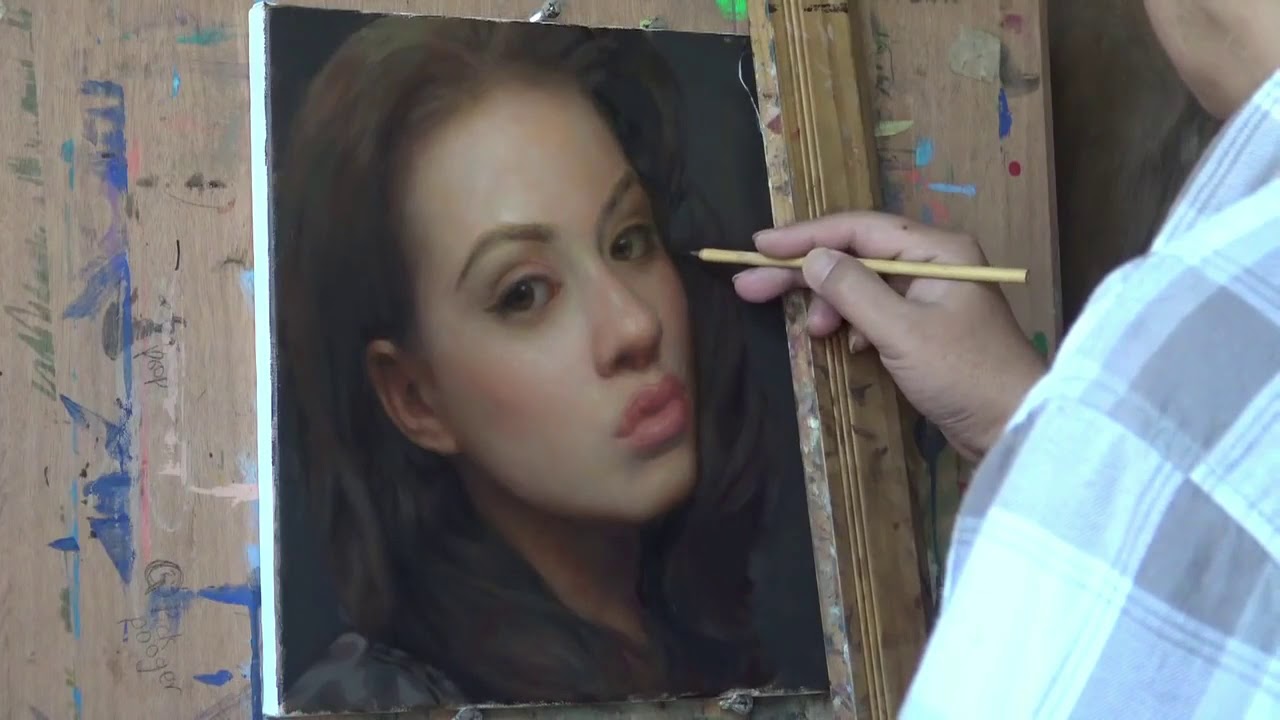
Henri de Toulouse-Lautrec's Margot (1881) is a captivating early masterpiece that reveals the extraordinary talent of one of art history's most celebrated Post-Impressionist painters. Created when Lautrec was just seventeen years old, this remarkable portrait demonstrates an astonishing maturity and psychological depth that would come to define his legendary career. The painting depicts Margot with an intimate sensitivity, capturing the subject's personality through Lautrec's signature bold brushwork and his uncanny ability to convey raw human emotion. The rich tonal palette and expressive technique place this work firmly within the tradition of the finest oil paintings of the late nineteenth century, reflecting the influence of his academic training while already hinting at the revolutionary style he would later develop in the vibrant cafés and cabarets of Montmartre.
As one of Lautrec's earliest significant works, Margot holds an important place in understanding the artist's remarkable artistic evolution and his lifelong fascination with the human figure. The painting's composition reflects a tender, almost confessional quality, drawing the viewer into a private moment of quiet contemplation. Lautrec's masterful handling of light and shadow breathes life into the subject, creating a sense of presence that transcends the canvas itself. Collectors and art enthusiasts who appreciate the depth and storytelling power of Lautrec's oeuvre will find in Margot a truly exceptional example of his formative genius — a window into the soul of both the artist and his subject, preserved with breathtaking skill and emotional honesty.